

Seizure Clusters vs. Status: What Every Caregiver Needs to Know
5 月 20 @ 下午 12:00 – 下午 1:00
When seizures escalate, knowing what you’re seeing and how to respond can make all the difference.
In this webinar, we’ll break down the key differences between acute repetitive seizures (seizure clusters) and status epilepticus, two conditions that are often confused but may require different approaches to care. We’ll walk through how to recognize patterns, common triggers, and what current thinking suggests about treatment and management.
This conversation will also address a challenge many families face: repeated sedation during hospital visits and the cycle of seizures, rescue medications, sleep, and recurrence. Caregivers will leave with a better understanding of what to watch for and how to advocate for their child in emergency settings.
✨ In partnership with FamilieSCN2A, this session brings together expert clinicians and three parent voices sharing lived experience. Together, we aim to support informed decision making and strengthen caregiver advocacy during critical moments.
Featured Clinicians
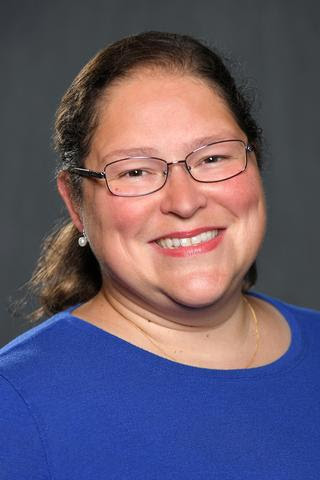
Inna Hughes, MD, PhD
Associate Professor of Child Neurology and Epilepsy, University of Rochester
Dr. Hughes is a pediatric neurologist specializing in epilepsy, with a focus on developmental and epileptic encephalopathies. She serves as Chief of Pediatric Epilepsy and Interim Chief of Child Neurology at the University of Rochester. Her work focuses on improving outcomes for children with epilepsy through research in genetics, dietary therapies, and care transitions, as well as advancing education and community awareness.
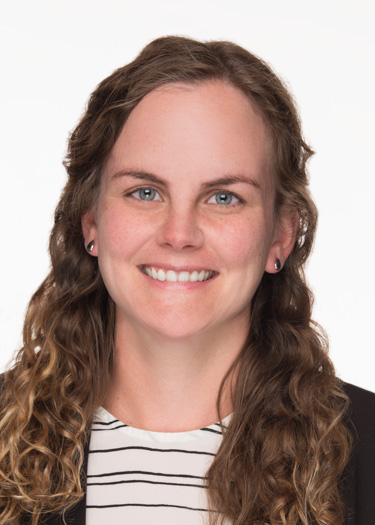
Laura McGarry, MD, PhD
Pediatric Neurologist, Children’s Hospital of Philadelphia (CHOP)
Dr. McGarry specializes in epilepsy and neurodevelopmental disorders, with a focus on genetic conditions such as SCN1A, SCN2A, and SCN8A-related disorders. She cares for patients through the Epilepsy NeuroGenetics Initiative (ENGIN) Clinic at CHOP. Her research explores how genetic changes impact brain function and development to improve diagnosis, treatment, and outcomes.