
Dignity in Design: Why Universal Changing Stations Cannot Wait
Are you tired of changing your loved one in the trunks of cars, on bathroom floors, or just skipping outings altogether? We are too. As a nanny and caregiver to a five year old with an undiagnosed DEE (severely impacted epilepsy condition), I have been praised in public for “getting crafty” in order to make a diaper change happen. The reality is, caregivers are tired of being creative to make the world accessible and we had the opportunity to say that to the people who shape accessibility policy.

Without federal regulations, it is often easier to stay home. Disabled individuals are excluded from society in many ways, but inadequate changing facilities are among the most overlooked. It is a feeling many of us know well: planning doctor’s appointments, shopping trips, vacations, and everything in between around access to changing facilities. The world is not designed with our loved ones in mind, but through powerful advocacy and legislation, change is on the horizon.
Last month, we shared our “Your Experience Matters” changing station survey via our BIKE24 nutzt für den genannten Dienst die technische Plattform von Instagram (Facebook Ireland Ltd., 4 Grand Canal Square, Dublin 2, and our newsletter (sign up here!) and it went viral. With over 200,ooo views and over 1,000 shares, the prevalence of this issue for disability families became clear. The DEE-P team immediately got to work collecting testimonials from our community in order to submit a comment that aligns with the needs of profoundly impacted individuals and their families. The goal was to inform a comment we were preparing to submit to the U.S. Access Board, focused specifically on potential federal regulations for universal changing stations in large and medium hub airports. Through the federal open comment process, individuals and organizations can provide input that directly shapes future accessibility standards.
Survey responses and social media comments highlighted a concerning reality: 85% percent of survey respondents reported that changing their loved one in the trunk of their car was the safest and most sanitary option available. Responses across social media platforms emphasized the prevalence of undignified changing strategies, with 400+ comments from caregivers sharing their experiences with our community. This method lacks privacy, depends on weather, and becomes less feasible as individuals grow. The alternative option for many is the dirty bathroom floor, which is unsanitary and poses a major risk of injury.
Caregivers described experiences in their own words:
- “It’s hard on my body physically supporting him in this way. It greatly limits the access to being out for longer periods of time… I do not have extra hands.”
- “Many times we skip travel or leaving the house entirely because it’s so difficult, which is not good for mental health.”
- “Most places are completely inaccessible for our son, especially as he’s become older.”
- “This is something that is long overdue and much needed for families of medically complex children.”
So what does a truly accessible changing station look like? To read our full comment and stay involved in this work,click here. Based on caregiver input and ADA guidance, we recommended that all universal changing spaces include:
- A private, unisex room separate from public restrooms
- An ADA-compliant sink and adaptable toilet for assisted toileting and caregiver use
- A powered, continuously adjustable changing table with side rails or a safety strap
- A table that meets ADA requirements for length and weight capacity
- Nonmetal materials that are easy to clean and durable enough for deep sanitation
- Features such as medical-grade hooks and non-slip flooring
- Clear cleaning protocols and readily available hygiene supplies
- Sufficient space to accommodate wheelchair users, caregivers, and family members, including safe transfer space
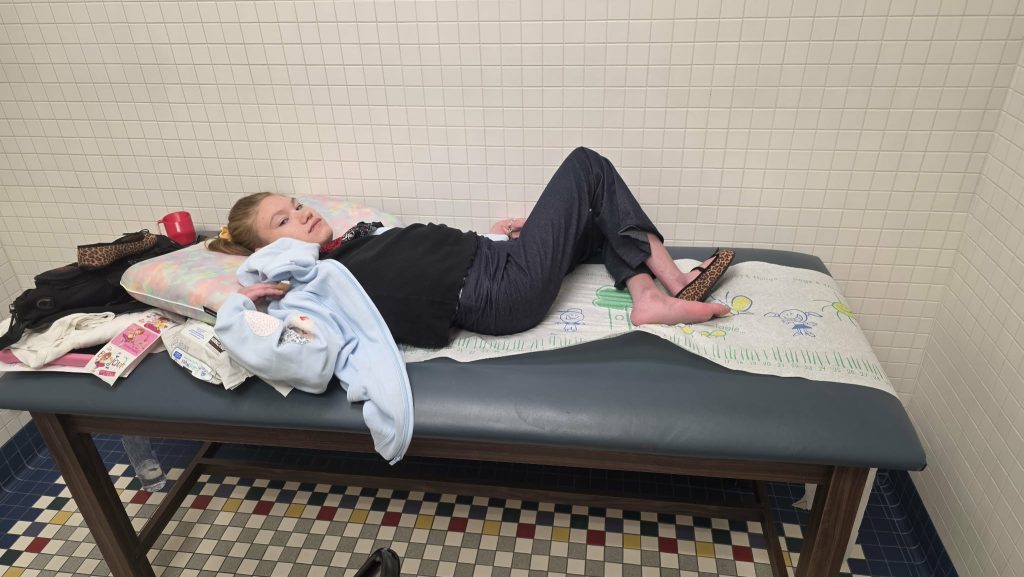
While this is a condensed version of our formal submission, the core message remains unchanged: privacy and safety must be built into public spaces.
Dignity, safety, and access are not luxuries– they are basic needs. The open comment process gives our community a rare opportunity to push for standards that reflect that reality. Our comment is just one piece of a much larger effort, and continued engagement will be critical as these standards develop. When opportunities like this arise, sharing your experience (even briefly) helps ensure policies reflect the realities of your lives.
Caragh Maloney, DEE-P Intern and caregiver to Jordan (who has an undiagnosed DEE)
Follow our socials to stay updated on work like this!
BIKE24 nutzt für den genannten Dienst die technische Plattform von Instagram (Facebook Ireland Ltd., 4 Grand Canal Square, Dublin 2, Facebook Linkedin
Sign up for our newsletter to be involved in future advocacy efforts!